


How to invest in tax liens comes down to 5 steps: pick a tax lien state, find the county’s tax sale list, do your due diligence, set your maximum bid, and bid at the auction. I’ll walk you through each one.
First, a little about how I got here. I’ve been investing in real estate since 2006. I got started with tax liens when I found out that every state has a law, called a statute, that sets the interest on unpaid property taxes. So I compared those rates to what my bank paid on savings accounts and money markets, and to stocks and bonds.
The statutory rates on tax lien certificates were higher than anything my bank offered. And a tax lien is secured by real estate. That got my attention.
Since then, I’ve taught 64 students in my Tax Deed Genius courses. I also teach tax liens and tax deeds to about 34,000 people who follow me on YouTube, LinkedIn, Instagram, and Facebook.
What is a tax lien certificate?
When a property owner doesn’t pay their property taxes, the county still needs that money. In a tax lien state, the county sells the unpaid tax debt to an investor at an auction. The investor pays the taxes and gets a tax lien certificate in return.
The certificate is a claim against the property. The owner still owns it. They just owe the money back, plus interest, to you instead of the county.
How does tax lien investing work?
Here’s the basic cycle:
- You pay the delinquent taxes at the auction.
- The owner gets a set amount of time to pay it back. This is called the redemption period.
- If the owner redeems, you get your money back plus the interest your state allows.
- If the owner doesn’t redeem in time, you may be able to start the process to get a deed. Each state has its own steps, and they take time and money.
So I treat a tax lien as an interest investment first. The real estate is the security behind it.
How tax lien investors earn interest
State law sets the maximum interest. In many states, bidders compete by bidding that rate down, and the lowest rate wins. So the rate you actually earn is often lower than the maximum.
Here are some examples. I checked each one in October 2026, and rules change, so always confirm with the county before you bid.
- Florida: certificates carry up to 18% a year, and bidders bid down in quarter-percent steps. Unless the winning bid was 0%, the owner pays at least a 5% minimum charge when they redeem. 2 years after April 1 of the year the certificate was issued, the holder can apply for a tax deed. Florida also holds tax deed sales, so it offers both. (Sources: Fla. Stat. 197.432, 197.472, 197.502)
- Illinois (Cook County): bidders compete on the penalty rate, which can’t go above 9%. Homeowners generally have 2½ years to redeem. (Source: Cook County Treasurer)
- Mississippi: the owner has 2 years to redeem and pays 1.5% interest a month, plus 5% damages. (Source: Miss. Code 27-45-3)
- Alabama: many counties hold online tax lien auctions where bidding starts at 12% and goes down. The owner can redeem within 3 years. (Sources: Tuscaloosa County, Mobile County)
- Colorado: the rate is 9 points above the federal discount rate. For 2026, that’s 13%. (Source: El Paso County Treasurer)
- Louisiana: parishes now hold tax lien auctions. Interest is capped at 1% a month, plus a 5% penalty, and bidders can bid the rate down. (Source: Act 774 of 2024)
These are the maximums the law allows, not promises. What you actually earn depends on the winning bid, how fast the owner redeems, and your costs.
How to buy tax liens, step by step
1. Pick a tax lien state
Not every state sells liens. Some sell the property itself at a tax deed sale. Delaware is a good example: counties like New Castle and Sussex sell the property at a sheriff’s sale, and the owner gets 60 days after the court confirms the sale to redeem. (Source: Sussex County)
My Tax Lien States Spreadsheet lists the states that sell tax liens to the public, with their interest rates and redemption periods.
2. Find the county’s tax sale list
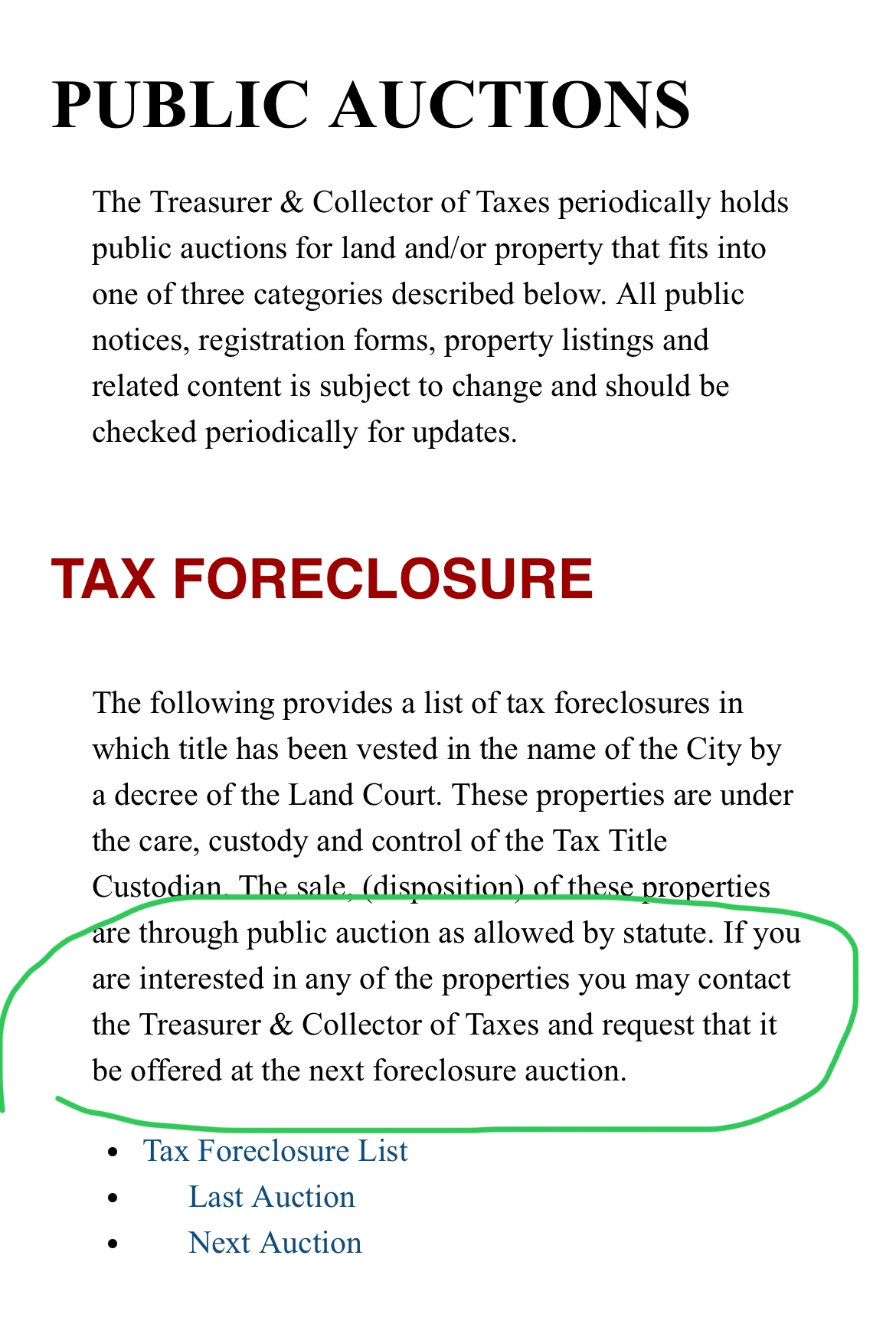
Each county posts its own list, rules, and auction dates. Look on the county tax collector’s or treasurer’s website. Read every page, because the details matter.
3. Do your due diligence
This is where most beginners get hurt. Look up every property before you bid: where it is, what it’s worth, what’s on the land, and any other liens. Use street view or drive by. Read the county’s rules.
Never Bid Blind.™
My Tax Lien Due Diligence Checklist gives you 21 questions to answer before you buy any lien.
4. Prepare for the auction and set your maximum bid
Register early and read the payment rules. Some counties ask for a deposit before you can bid, and most want payment fast.
Then set a maximum bid for each property before the auction starts. Write it down. Don’t go past it.
The Money Is Made Before the Bid.™ Winning the auction doesn’t mean you won the investment.
5. After the auction
Keep your certificate and your records. Track the redemption deadline. In some states you can pay later years’ taxes too, which adds to what the owner owes you.
If the owner doesn’t redeem, follow your state’s steps toward a deed. Talk with a real estate attorney before you start.
The 3 mistakes I see beginners make
- Skipping due diligence. They bid on a list, not on properties they’ve researched.
- Showing up unprepared. They don’t know the county’s rules, deposit, or payment deadline until auction day.
- No maximum bid. They get caught up in the bidding and pay more than the lien is worth to them.
Risks to know before you invest
- The owner may redeem early, so you earn interest for a short time.
- Bidding can push the rate down to almost nothing.
- Some properties are worth very little, like a thin strip of land or a lot you can’t build on.
- Other liens, like some government liens, may still be attached.
- Getting a deed takes time, notices, and legal fees.
- Your money is tied up until the owner redeems.
None of this means you shouldn’t invest. It means you learn the rules first.
Can you invest in tax liens from home?
Yes. A lot of counties run their auctions online now, so you can research and bid from your computer. Many Alabama counties, for example, run their tax lien auctions online.
Here’s a short video where I walk through 5 facts about Alabama tax liens.
How to learn tax lien investing
If you want a guided start, Tax Deed Genius Lite is my tax lien investing course for beginners. It’s a 2 week introduction to how tax liens and tax deeds work at auction.
When you’re ready to go deeper, Tax Deed Genius is my 8 week tax lien and deed training.


Here’s what a few of my students have said:

 *
Cecilia L. bought her first 2 properties 2 months after finishing the course.*
*Results disclaimer: The results shown are from individual students and are not typical. Your results will depend on your own effort, experience, finances, market conditions, and many other factors. Real estate and tax sale investing involve risk, including the possible loss of money. The Jackie Jackson does not guarantee any income, profit, or result. Nothing here is legal, tax, or financial advice. Talk with a qualified professional before you invest.